
Blog Posts
Andersen Window Series Comparison: 100, 200, 400, A-Series and E-Series
Andersen’s five window series are not arranged on one simple good-better-best ladder. Each line uses different materials, supports different window styles and solves a different kind of project.
Which Andersen window series is best?
For many Southwest Michigan homes, 400 Series is the best all-around starting point. It combines a real wood interior, broad style availability and more choices than Andersen’s lower-priced lines. Choose 100 Series for low-maintenance Fibrex composite and practical value. Choose 200 Series for wood interiors in a limited set of common styles. A-Series prioritizes performance and architectural accuracy. E-Series provides the greatest custom design freedom.
The right answer still depends on window type, glass package, installation method and finish selections. A higher series name is not automatically the better purchase for every opening.
Why Andersen series are easy to confuse
A 100 Series window can be the smarter choice for one home while A-Series or E-Series makes sense for another. The first decision should be the window style you need. Next, choose between a composite or wood interior. Then compare performance and design options.
For example, a homeowner who wants casement windows should not start with 200 Series because that line focuses on double-hung, gliding and picture windows. Likewise, a homeowner who does not want interior wood will usually narrow the comparison quickly to 100 Series.
Andersen 100 vs. 200 vs. 400 vs. A-Series vs. E-Series
Price positions below are relative. Size, glass, hardware, finish, grille pattern and installation scope can change the final quote substantially.
| Series | Construction | Price position | Window selection | Best fit | Main limitation |
|---|---|---|---|---|---|
| 100 | Fibrex composite inside and outside | Value | Broad selection, including hung, casement, awning, gliding, picture and specialty options | Low maintenance, modern lines and practical value | No natural wood interior |
| 200 | Wood interior with Perma-Shield vinyl exterior cladding | Value | Double-hung, gliding and picture windows | Wood warmth at a lower entry price | Limited styles, sizes and customization |
| 400 | Wood interior with low-maintenance Perma-Shield exterior cladding | Mid-range | Broad selection of popular styles, sizes and options | All-around balance for many traditional and transitional homes | Less customization than A-Series or E-Series |
| A-Series | Wood interior with fiberglass and Fibrex exterior materials | Premium | Architecturally focused awning, casement, double-hung, picture and specialty windows | Performance, authentic proportions and demanding architectural projects | Premium features can be unnecessary for straightforward replacements |
| E-Series | Wood interior protected by an aluminum exterior | Premium custom | Extensive custom sizing, window types, colors, woods and finishes | Maximum design freedom and unusual specifications | Highest complexity and typically the highest price position |
Swipe the table horizontally to see every column.
2-minute series match
Find the Andersen series to compare first
Choose what matters most, then narrow the recommendation once more. This is a practical starting point; confirm the exact window, glass and installation specifications before ordering.
100
Your starting point
Andersen 100 Series
100 Series is the only line here with Fibrex composite inside and out, so there is no interior wood to stain or paint. It delivers practical value, low-maintenance surfaces and a broader style selection than many homeowners expect.
Confirm before ordering: operating style, color, glass package and the exact NFRC ratings.
200
Your starting point
Andersen 200 Series
200 Series makes sense when you want a real wood interior but only need double-hung, gliding or picture windows. Its focused range helps control cost.
Confirm before ordering: that every opening fits the available styles, sizes, colors and hardware.
400
Your starting point · popular all-around choice
Andersen 400 Series
400 Series is the strongest all-around starting point for many homes. It combines wood interiors with a low-maintenance exterior and a broad selection of popular styles, sizes and options.
Confirm before ordering: the exact 400 Series product, glass, hardware, finish and installation method.
A
Your starting point
Andersen A-Series
A-Series is the premium Architectural Collection line to evaluate when energy performance, exposed conditions or authentic architectural proportions matter more than entry price.
Confirm before ordering: which performance or architectural features justify the premium over 400 Series.
A
Your starting point
Andersen A-Series
A-Series is the premium Architectural Collection line to evaluate when energy performance, exposed conditions or authentic architectural proportions matter more than entry price.
Confirm before ordering: which performance or architectural features justify the premium over 400 Series.
E
Your starting point
Andersen E-Series
E-Series offers Andersen’s broadest selection of custom colors, wood species, finishes and made-to-order dimensions — the line for maximum design freedom.
Confirm before ordering: the complete finish schedule, lead time, glass package and custom sizing.
What each Andersen series does best
100 Series
Low-maintenance value
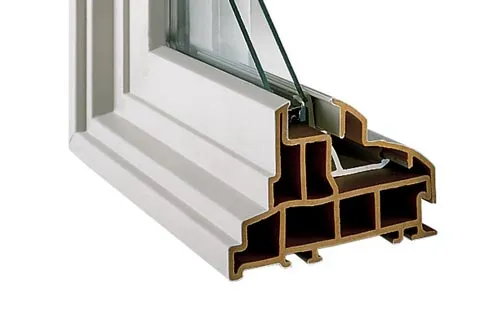
100 Series uses Fibrex composite material on the interior and exterior, so there is no exposed interior wood to stain or paint. Its clean profiles work especially well with contemporary and modern farmhouse homes.
Choose it when: you want composite construction, broad style availability and straightforward maintenance.
Look elsewhere when: stained wood, detailed historic trim or maximum custom sizing is central to the design.
200 Series
Entry-level wood
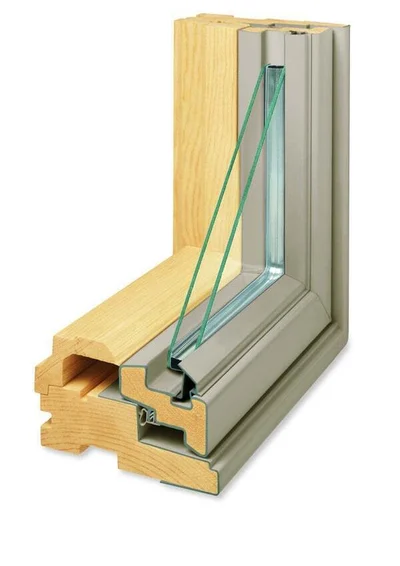
200 Series uses a real wood interior with protective vinyl cladding outside, but it concentrates on common double-hung, gliding and picture windows. Keeping the styles and options focused helps control cost.
Choose it when: you want wood inside and the limited style range covers the complete project.
Look elsewhere when: you need casements, awnings, specialty shapes, larger custom sizes or a wider exterior color selection.
400 Series
Best all-around
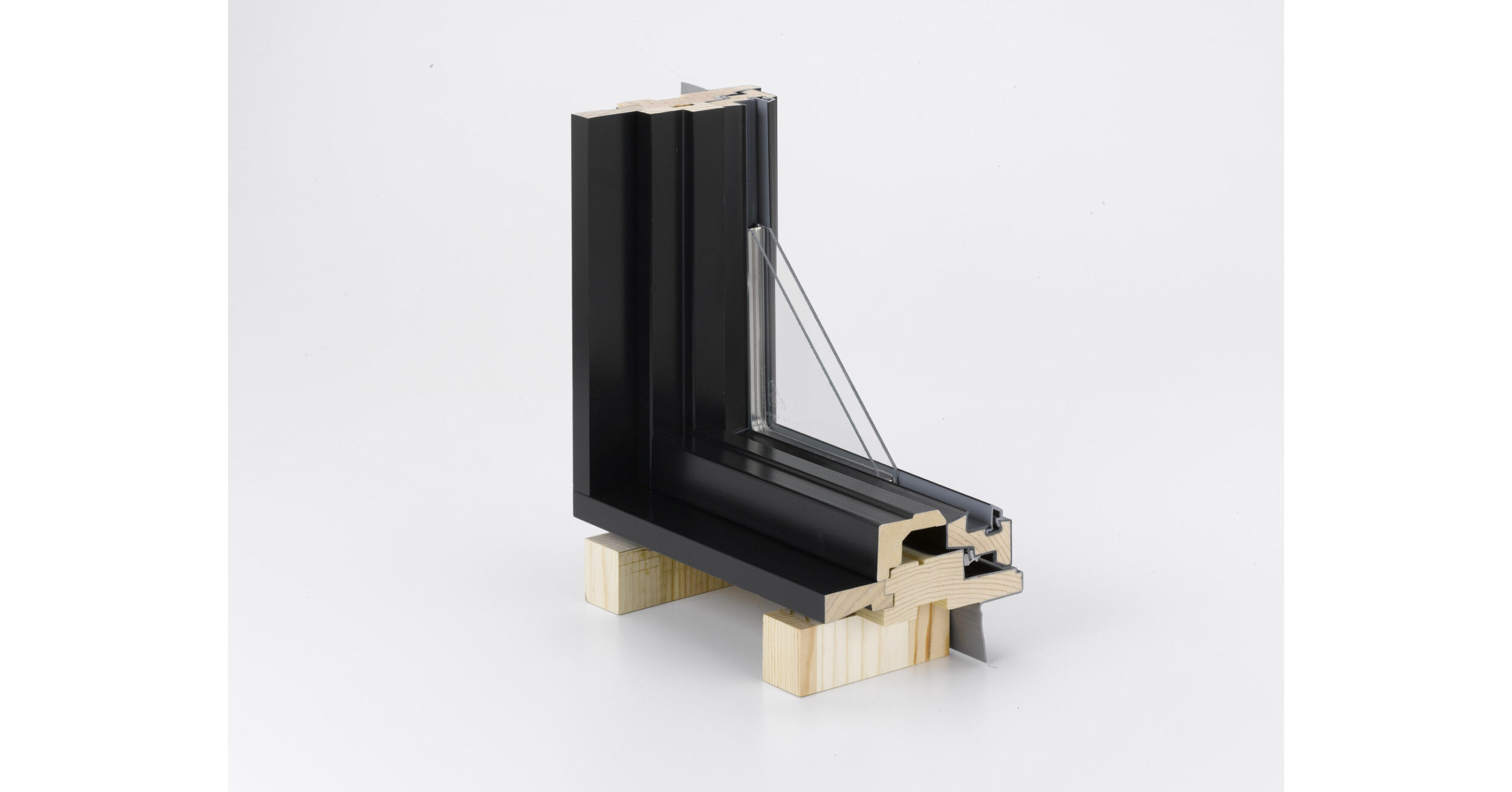
400 Series uses a wood interior with a protective Perma-Shield exterior and offers more sizes, colors, hardware choices and window types than 200 Series. It is often where price, flexibility and a traditional wood-window appearance meet.
Choose it when: you want wood inside and enough flexibility for most replacement, remodeling or new-construction projects.
Look elsewhere when: you want an all-composite product, strict architectural replication or extensive custom colors.
A-Series
Performance and architecture
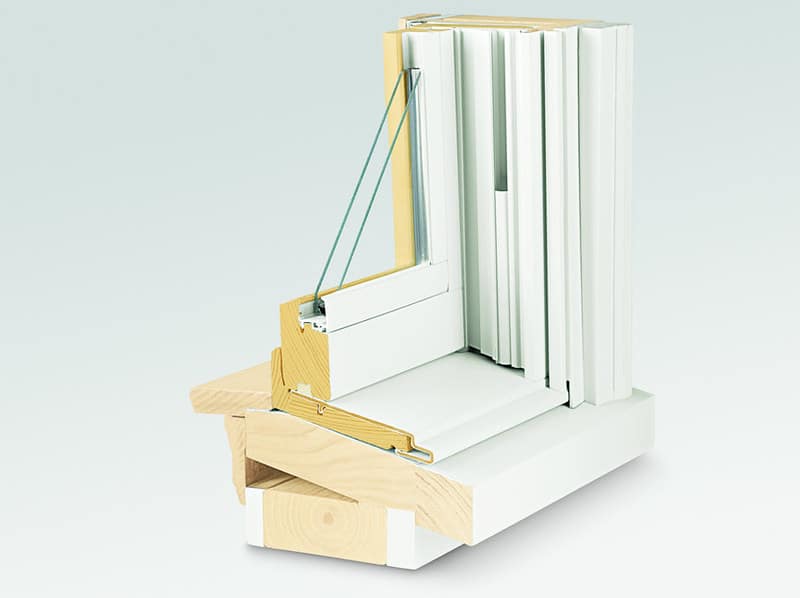
A-Series is part of Andersen’s Architectural Collection. It combines wood, fiberglass and Fibrex materials to support strong performance and historically appropriate proportions. Andersen positions it as its best-performing and most energy-efficient product family.
Choose it when: energy targets, large units, exposed locations or carefully matched architectural details justify a premium product.
Look elsewhere when: standard openings and straightforward finishes can be satisfied by 100 or 400 Series.
E-Series
Maximum customization
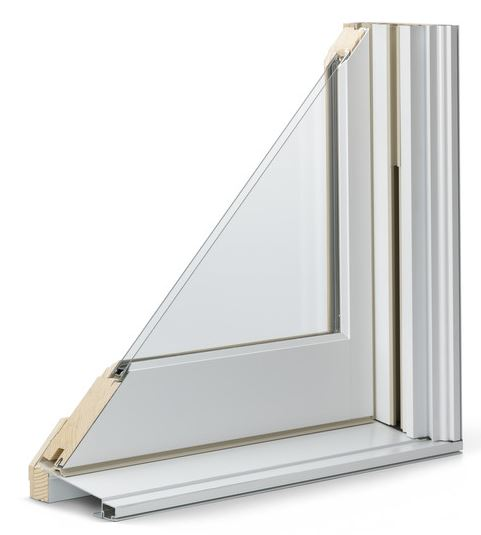
E-Series is the design-flexibility line. Its wood frame is protected by an aluminum exterior, and the series offers a large exterior color palette, multiple wood species, custom finishes and custom sizing.
Choose it when: custom colors, unusual sizes, specific wood species or coordinated design details are non-negotiable.
Look elsewhere when: standard colors and sizes already meet the project.
The comparisons homeowners ask about most
100 Series vs. 400 Series
- Choose 100 for a composite interior, simpler maintenance and modern profiles.
- Choose 400 for a wood interior, more traditional detailing and broader option flexibility.
- 400 is not automatically better. Material preference often decides this comparison.
200 Series vs. 400 Series
- Both use wood interiors with protective exterior cladding.
- Choose 200 if its limited styles and standard options cover the job.
- Choose 400 when you need more window types, sizes, colors or hardware choices.
A-Series vs. E-Series
- Choose A-Series when performance and architectural authenticity lead the decision.
- Choose E-Series when custom color, wood species and sizing freedom lead the decision.
- E-Series is not automatically more efficient because it is highly customizable.
Do not compare series names alone
- Different glass, hardware, grille, screen and installation selections change price and performance.
- Ask for the exact product name and option schedule.
- Compare complete installed scope, not only unit price.
A five-step way to choose the right series
- Choose the operating style first. Decide whether the opening needs a double-hung, casement, awning, gliding, picture or specialty window. This can eliminate a series immediately.
- Choose the interior material. Pick composite for minimal maintenance or wood for a warmer, more traditional interior.
- Set the performance target. Compare the complete unit’s NFRC ratings and ENERGY STAR qualification, not only the frame material.
- Identify true custom requirements. List nonstandard colors, large sizes, historic grille patterns, wood species or finish matching before moving into A-Series or E-Series.
- Compare complete project scope. Confirm whether the quote includes insert or full-frame replacement, trim, finishing, screens, removal and delivery.
What matters for Southwest Michigan homes
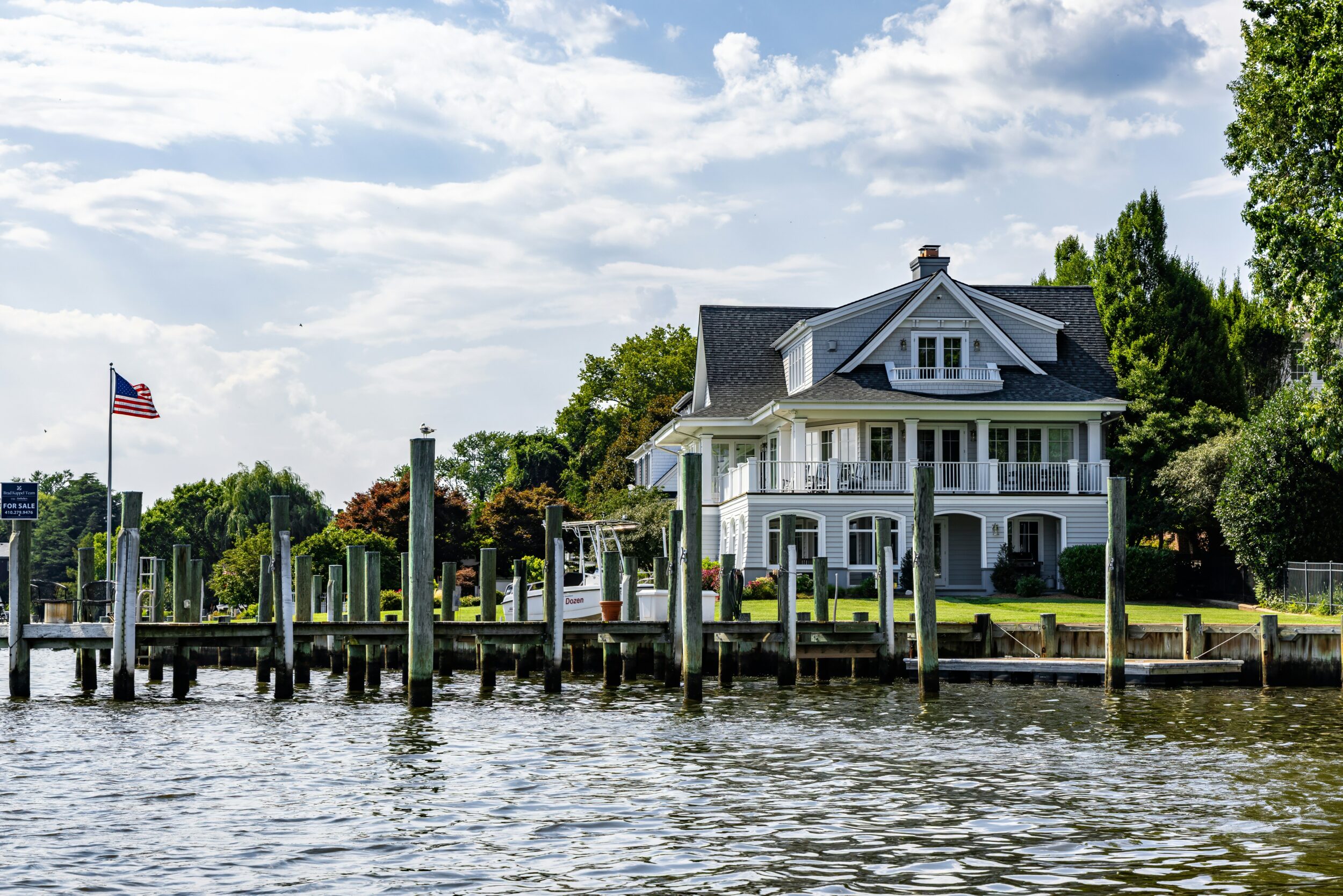
Cold-weather performance is not determined by series alone. Glass package, spacer system, unit size, operating style and installation quality all affect the result. A correctly specified value-series window can outperform a poorly selected premium configuration for a particular opening.
Ask to see the exact NFRC label for the proposed size and glass package. Select a product certified for the applicable climate zone rather than assuming every configuration within a series qualifies.
How to read an Andersen window quote correctly
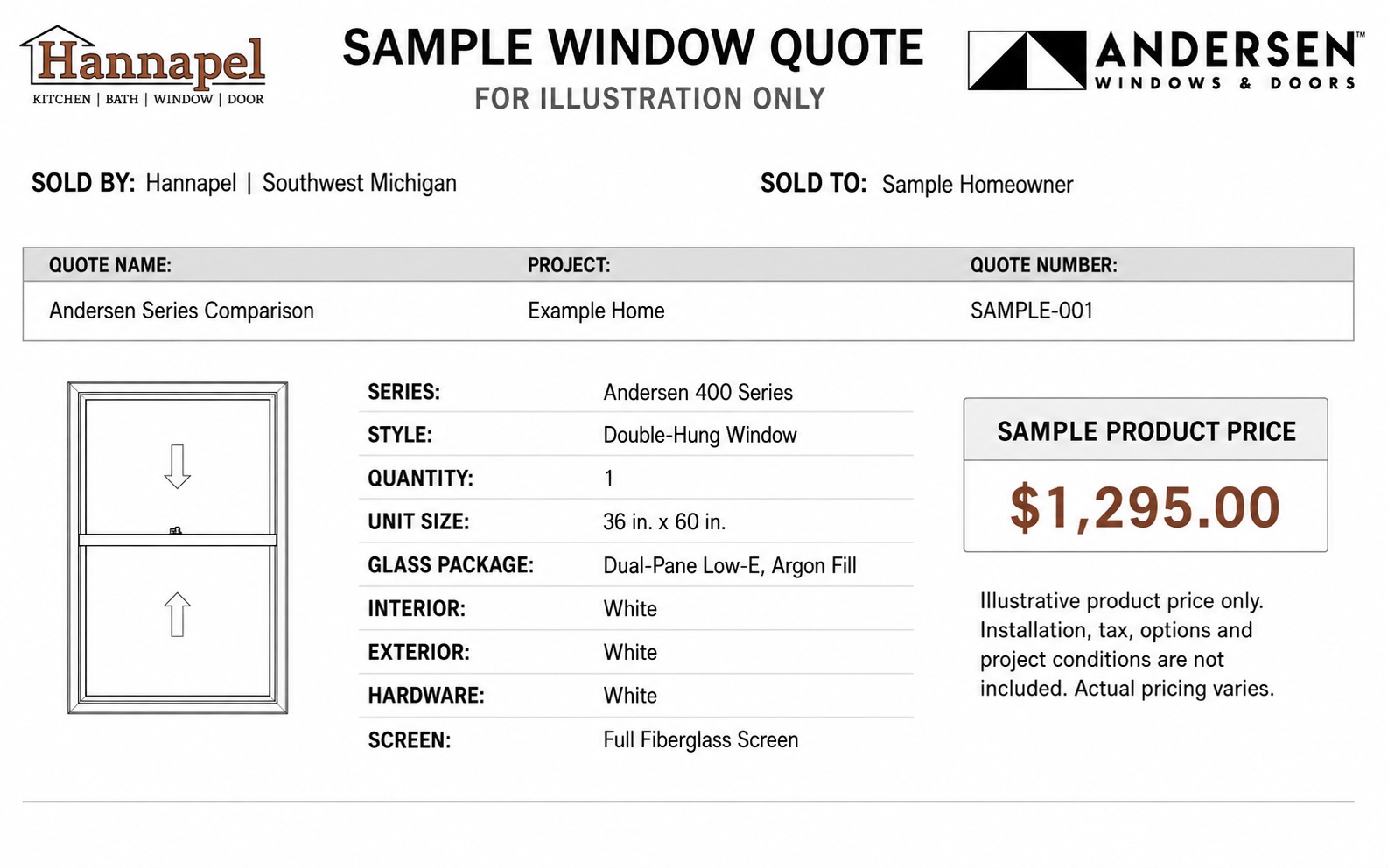
A quote that only says “Andersen 400 Series” is not detailed enough. A complete Andersen quote should spell out exactly what you are getting, so you can read it with confidence and know nothing important has been left out. A clear quote should identify all of the following:
- Exact series and window product
- Unit size and operating style
- Glass package and NFRC ratings
- Interior material and finish
- Exterior color and trim
- Grille pattern and grille type
- Hardware color and screen type
- Insert or full-frame installation
- Interior and exterior finish work
- Delivery, removal and warranty scope
At Hannapel, every Andersen quote we prepare spells out all of the details above, so you can see exactly what you are getting with no guesswork. If you are still choosing a brand, read our Andersen vs. Marvin vs. Pella guide, and for budgeting, see our guide to window replacement costs in Southwest Michigan.
Bottom line
There is no single best Andersen series for every home. 100 Series is the practical low-maintenance choice. 200 Series is the focused value choice for common wood-window styles. 400 Series is the strongest all-around starting point for many homes. A-Series focuses on performance and architectural accuracy. E-Series focuses on design freedom.
The best purchase is the lowest series that fully meets the project’s window style, appearance, performance and sizing requirements. Spending more for unused options does not improve the result.
Frequently asked questions
What is the best Andersen window series for most homes?
400 Series is the best all-around starting point for many traditional and transitional homes because it offers a wood interior, broad window selection and more options than 200 Series. Homeowners who prefer a non-wood interior may be better served by 100 Series.
What is the least expensive Andersen window series?
Andersen positions 100 Series and 200 Series as value-oriented lines. 100 Series uses Fibrex composite material, while 200 Series uses wood with exterior vinyl cladding but limits styles and options.
Is Andersen 100 Series better than vinyl?
100 Series uses Fibrex composite rather than standard vinyl. Whether it is the better purchase depends on the competing vinyl window, glass package, construction, warranty, installation and price.
What is the difference between Andersen 200 and 400 Series?
Both have wood interiors protected by low-maintenance exterior cladding. 200 Series focuses on double-hung, gliding and picture windows with fewer options. 400 Series adds a broader product range, sizes, colors, hardware and design flexibility.
Is A-Series or E-Series better?
A-Series is generally the better fit when energy performance and architectural authenticity are priorities. E-Series is generally the better fit when custom colors, wood species, finishes and sizing flexibility lead the project.
Which Andersen series is most energy efficient?
Andersen identifies A-Series as its best-performing and most energy-efficient product family. Efficiency still varies by window type, size and glass package, so compare the exact NFRC label for each proposed unit.
Can Andersen windows be used for replacement projects?
Yes. Andersen products can be used for replacement, remodeling and new construction. Some products are offered as insert replacement units, while other projects use full-frame windows.
Is Renewal by Andersen one of these five series?
No. Renewal by Andersen is a separate replacement-focused sales and installation business with its own offering. The 100, 200, 400, A-Series and E-Series families discussed here are Andersen Windows & Doors product lines.
Compare before you order
See Andersen window options at Hannapel
Bring rough sizes, photos of the existing windows and finish ideas. A Hannapel window specialist can help narrow the series, operating style, glass and finish options before the order is placed.
Product references
- Andersen window series comparison
- Official Andersen product series
- ENERGY STAR window selection guidance
Product availability, options and performance values can change. Confirm final specifications against current manufacturer documentation and the NFRC label for the exact unit ordered. Product information reviewed August 8, 2026.